The Short Answer
Electric motorcycles suit UK riders best for commuting and city riding, where lower running costs, low maintenance and instant torque matter more than outright range. For long-distance touring, petrol bikes still generally have the edge, mainly due to charging time and the UK’s charging network being less developed for motorcycles specifically than for cars.
Know the Legal Categories First
Not every electric two-wheeler is treated the same way under UK law, and this affects whether you need a licence, insurance and a helmet.
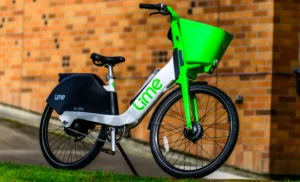
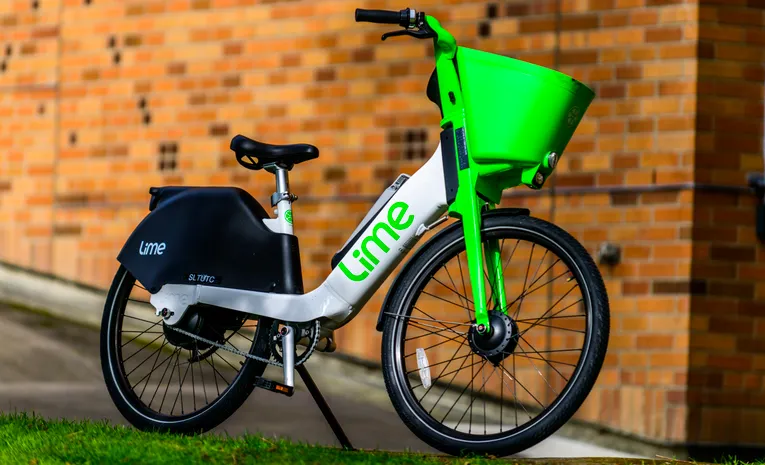
- EAPC (Electrically Assisted Pedal Cycle): motor limited to 250 watts continuous power, assistance cuts off at 15.5mph, and it must have working pedals. These are legally treated as bicycles: no licence, insurance or tax required.
- Electric moped or motorcycle: anything exceeding EAPC limits, such as a throttle-only ride with no pedalling requirement, or higher power output. These fall under the same rules as petrol mopeds and motorcycles: you need a provisional or full licence, CBT where applicable, insurance, and registration.
This distinction catches out a lot of buyers, since some electric bikes look like bicycles but are legally mopeds. Always check a specific model’s classification before assuming it is road legal without a licence.
Where Electric Motorcycles Make the Most Sense
Commuting and City Riding
Data from Bennetts BikeSocial shows that more than 90% of electric two-wheelers sold in the UK produce less than 11kW (around 15bhp), putting most current UK electric motorcycles firmly in the commuter and learner-legal category rather than the high-performance one. For stop-start city riding, this is where electric bikes genuinely shine: no clutch, no gears to think about, instant response from a standstill, and no engine idling at traffic lights.
Low Running Costs
Electric motorcycles generally have far fewer moving parts than petrol equivalents. There is no oil to change, no clutch to wear out, and no exhaust system to maintain. Charging costs per mile are typically lower than fuel costs, though the exact saving depends on your electricity tariff and how you charge.
Where Petrol Bikes Still Win
Range and Refuelling Speed
Filling a petrol tank takes minutes. Recharging an electric motorcycle, even with fast charging where available, generally takes longer, and charging infrastructure specifically for motorcycles is far less common than for cars in the UK. For long motorway journeys or touring, this is currently the biggest practical drawback.
Upfront Cost
Electric motorcycles with meaningful range and performance often carry a higher purchase price than an equivalent petrol commuter bike, though the gap has narrowed as the market has matured.
Battery Life: What to Expect
Battery technology has improved significantly, and manufacturers increasingly design battery management systems to preserve capacity over years of use rather than degrading quickly. That said, real-world battery life and range vary a great deal between manufacturers and models, so always check independent reviews and, where possible, the manufacturer’s stated warranty on the battery pack specifically, not just the vehicle as a whole.
A Simple Decision Guide
| If you mostly… | Consider |
|---|---|
| Commute short-to-medium distances in town | An electric moped or learner-legal electric motorcycle |
| Tour long distances or ride motorways regularly | A petrol motorcycle, at least until motorcycle-specific fast charging improves |
| Want the lowest possible running and maintenance costs | An electric motorcycle, provided your daily mileage suits its real-world range |
| Ride off-road or need maximum range flexibility | A petrol motorcycle for now |
Frequently Asked Questions
Do I need a motorcycle licence for an electric motorcycle?
If it exceeds EAPC limits (more than 250 watts continuous power, throttle-only operation, or speeds above 15.5mph without pedalling), yes. It is treated the same as a petrol moped or motorcycle of equivalent power.
Are electric motorcycles cheaper to insure?
This varies by insurer and model. Lower mechanical complexity can help, but battery replacement costs can be a factor insurers weigh up, so always compare quotes rather than assuming a saving.
How long do motorcycle batteries actually last?
This varies significantly by manufacturer and how the bike is charged and used. Check the specific battery warranty for any model you are considering rather than relying on general industry claims.
Can I charge an electric motorcycle at a standard UK plug socket?
Many smaller electric motorcycles and mopeds can charge from a standard domestic socket, often with a removable battery you can bring indoors, though larger bikes may need a dedicated charging point for reasonable charging times.